By Abby Finkenauer
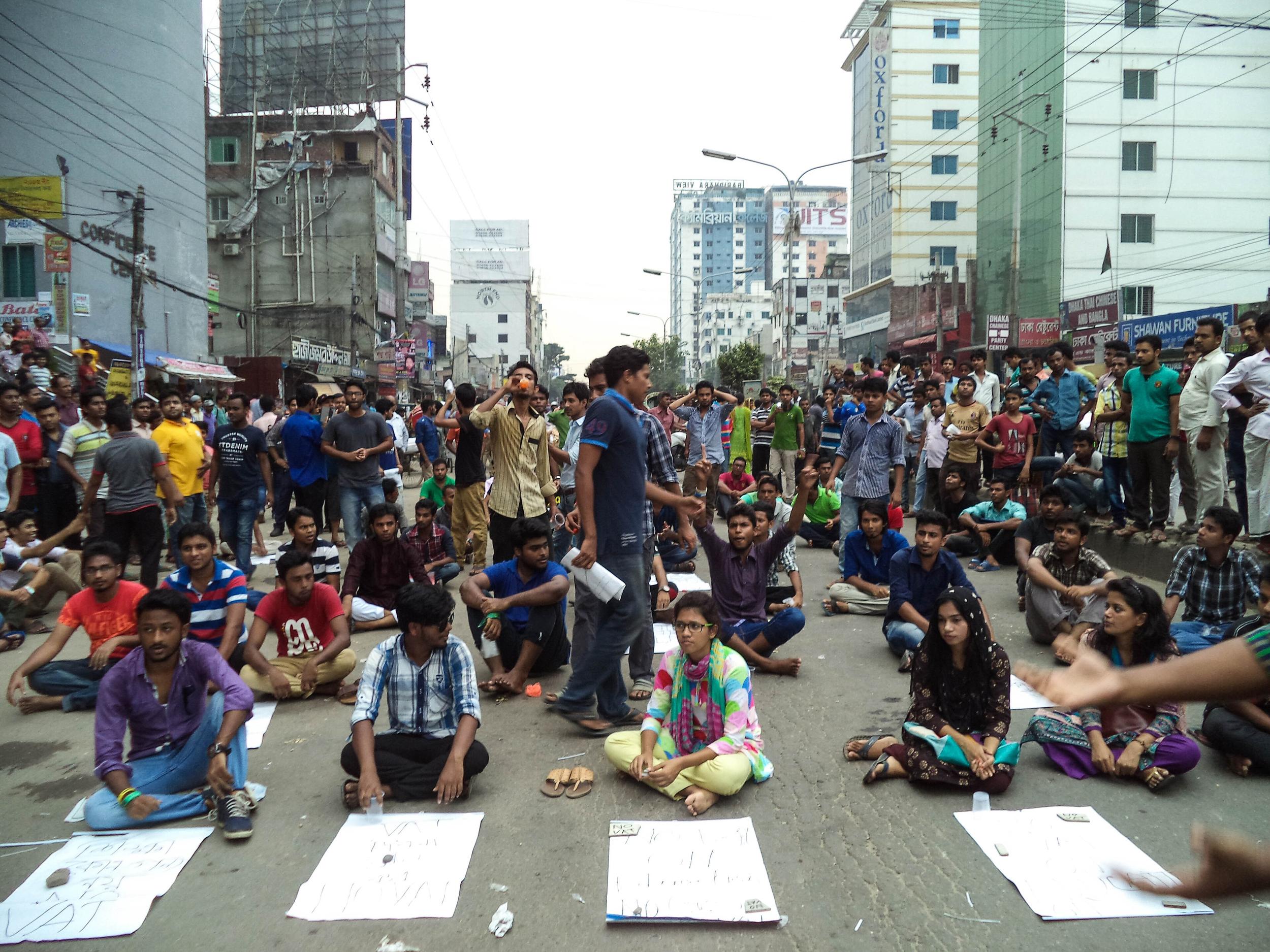
Across Asia, young people are turning their frustration into political action. In Bangladesh, Nepal, and India, they have challenged institutions, demanded accountability, and brought issues into the national conversation that leaders once might have ignored.
As we celebrate International Youth Day today, it’s important to notice what has changed. Young people now have ways to organize, communicate, and mobilize that are more effective and far-reaching than any generation before. But being heard is not the same as having a say. Governments in Asia and beyond need to move past symbolic gestures and give young people a genuine opportunity to influence policy.
When I served as U.S. Special Envoy for Global Youth, I traveled around the world meeting with young leaders. Those conversations left me with a lesson that has only become more apparent since I left that role: young people no longer have to wait for someone to give them a platform.
A young person with a smartphone can expose corruption, organize a protest, document an abuse, or bring an issue to millions of people in a matter of hours. Social media has changed how movements form and how quickly they can grow. A microphone is no longer something young people have to wait to be handed.
In Bangladesh, a student movement that began over government job quotas grew into a force that helped change the country's political direction. Young people did not simply demand change from the streets. Some student leaders later joined the interim government, moving from protest into the institutions where decisions were being made.
Nepal offers another example of how quickly young people can adapt when traditional channels are restricted. When major social media platforms were limited, young people turned to other digital tools, including messaging apps and VPNs, to stay connected and organize. Protests fueled by anger over corruption, inequality, and political accountability blossomed into a broader political movement.
In India, the cockroach movement has also used digital platforms to organize around concerns ranging from employment and examinations to fairness and trust in public institutions. Their frustrations are not confined to social media. They are increasingly part of the country's broader political debate.
The circumstances are different in each country. But there is a common thread: governments can no longer assume that controlling traditional institutions means controlling the public conversation. And young people are asking for more than a response after a protest begins. They want leaders to address the problems that produced the frustration in the first place.
That raises a more difficult question: what does it actually mean to listen?
When I was Special Envoy, I often urged governments to move beyond simply inviting young people to participate. Too often, youth engagement meant creating a youth advisory council or hosting a youth forum, while the decisions that mattered were being made somewhere else.
Those spaces can be valuable. But they should not become a substitute for meaningful participation. If young people are going to have a real role in public life, they need to be part of the conversations where decisions are made, and consulted before policies are finalized, not brought in afterward to react to them. And when governments ask for their input, they should be willing to explain what they did with it.
Bangladesh provides a particularly striking example of what that can look like. After students helped drive a major political shift, some of those same young leaders moved into senior positions in the interim government. Young people moved from demanding change outside the halls of power to participating in decisions inside them.
The events of recent years have also exposed the risks of doing the opposite.
How governments respond matters as much as why young people are speaking out. When a generation organizes or protests, leaders can choose to create space for dialogue, bring young people into the process, and treat them as partners in solving problems. They can also choose intimidation, arrests, or force.
Those choices tell us something about a democracy.
They tell us whether civic participation is genuinely valued, whether young people are regarded as citizens with a stake in their country's future, and whether the basic rights to speak, organize peacefully, and participate in public life are actually protected.
Diplomacy is stronger when it includes the people who will live longest with the consequences of today's decisions. Human rights are stronger when people have meaningful opportunities to participate in civic life. And young people are not simply beneficiaries of those principles. They are essential to making them real.
When young people believe those avenues are open, they are more likely to use them. When they believe they have been shut out, they will look elsewhere for ways to make themselves heard. Governments do not have to agree with every demand young people make. Listening is not the same as agreeing, and participation does not mean handing over decision-making authority. It does mean taking young people seriously.
That means protecting their ability to speak and organize, creating genuine opportunities for them to influence policy, and making sure youth engagement extends beyond conferences, advisory councils, and symbolic programs. Most importantly, leaders should engage young people before frustration becomes a crisis, not only after protests fill the streets.
International Youth Day should be more than a day to celebrate young people. It should be a reminder that listening cannot be a once-a-year exercise. It has to be part of how governments govern, how institutions lead, and how societies make decisions. Young people around the world have already shown that they do not need permission to raise their voices or organize around the issues that matter to them. The question now is whether those in positions of power are willing to listen and, more importantly, whether we are willing to make room for them when decisions are made.
© 2025 Alliance for Diplomacy and Justice.