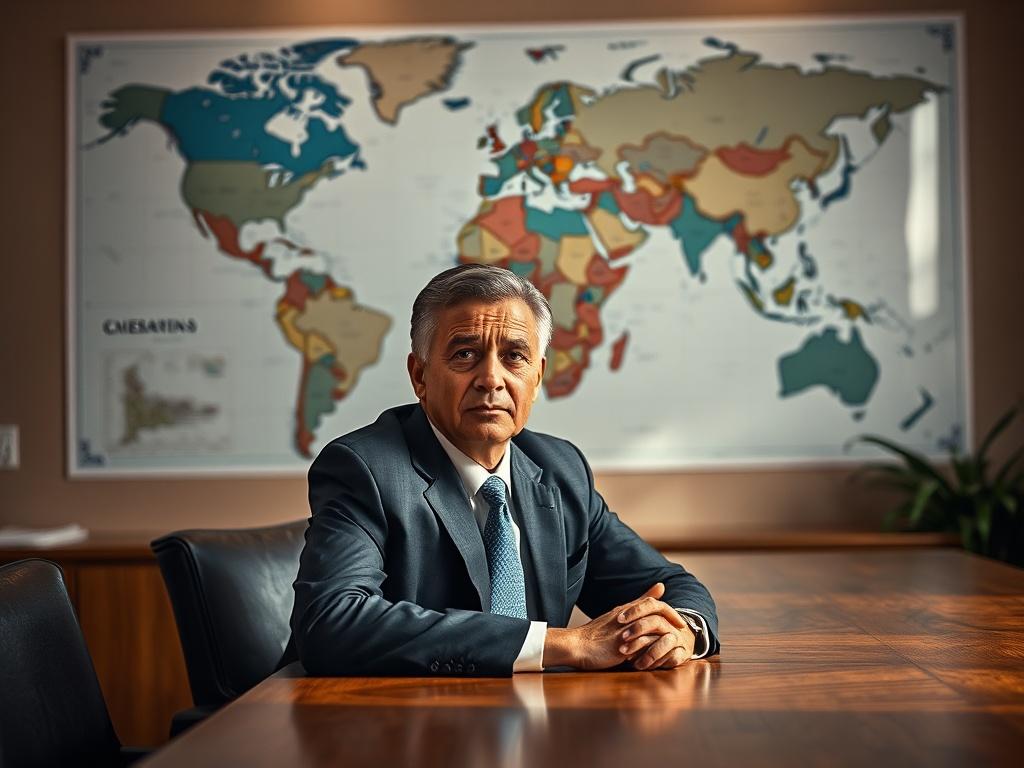
In an increasingly interconnected world, the role of diplomacy becomes paramount in addressing complex global justice issues. As nations grapple with challenges such as human rights violations, environmental degradation, and social inequality, the need for effective diplomatic engagement intensifies. Explore how diplomacy fosters justice on a global scale and serves as a critical mechanism for dialogue, conflict resolution, and collaboration among states. Through diplomatic efforts, nations can forge alliances, build consensus, and implement solutions that promote fairness and equity across borders, ultimately contributing to a more just world.
This blog post will delve into the foundations of diplomacy that underpin its capacity to advance global justice. We will highlight key examples of successful diplomatic initiatives that have made significant strides toward international justice, showcasing the power of negotiation and cooperation. Finally, we will look toward the future of diplomacy, exploring innovative strategies that can further enhance its role in fostering global justice. By examining these elements, we can better understand how diplomacy is not just an art of negotiation but also a vital force for nurturing a more equitable global landscape.
Understanding the foundations of diplomacy in promoting global justice
Diplomacy serves as a vital mechanism for fostering global justice by facilitating dialogue, negotiation, and cooperation among nations. At its core, diplomacy operates on the principles of respect, understanding, and mutual benefit, which are essential for addressing global injustices. By creating platforms for countries to communicate, diplomats can engage in critical discussions about human rights, economic inequality, and environmental degradation. This collaborative environment enables nations to work together towards equitable solutions and hold each other accountable to internationally recognized standards of justice.
Furthermore, diplomacy plays a crucial role in conflict resolution, offering peaceful avenues to address grievances that could otherwise escalate into violence. Through treaties, agreements, and negotiations, diplomats can mediate disputes between countries and promote fair resolutions that uphold justice for all parties involved. Additionally, international organizations, such as the United Nations, provide structures that amplify diplomatic efforts, allowing for broader engagement with global issues. By harnessing diplomacy's power, the international community can tackle systemic injustices and initiate meaningful changes, ultimately striving for a more just and equitable world.
Key examples of diplomatic efforts that have advanced international justice
Diplomatic efforts have played a significant role in shaping the landscape of international justice. One prominent example is the establishment of the International Criminal Court (ICC) in 2002, which was forged through extensive diplomatic negotiations among nations committed to holding individuals accountable for genocide, war crimes, and crimes against humanity. The Rome Statute, which created the ICC, exemplifies how countries can come together to reinforce the principles of justice and accountability on a global scale. Through diplomatic engagement, signatory nations work collaboratively to support the court's operations, ensuring that it can prosecute offenders, promote the rule of law, and deter future atrocities.
Another notable example comes from the diplomacy surrounding the United Nations' Sustainable Development Goals (SDGs). Specifically, Goal 16 focuses on promoting peaceful and inclusive societies, providing access to justice for all, and building effective, accountable institutions. This goal emerged from diplomatic dialogues that recognized the intrinsic link between justice and sustainable development. Countries engage in partnerships, share best practices, and utilize diplomatic channels to address issues such as corruption, inequality, and access to legal representation. By fostering alliances and mobilizing resources, diplomacy is crucial in advancing justice initiatives that impact communities worldwide, highlighting the interconnectedness of justice and global stability.
The future of diplomacy: Exploring innovative strategies for fostering global justice
As the world faces increasingly complex challenges, the future of diplomacy must adapt to promote justice effectively on a global scale. Innovative strategies like digital diplomacy will play a vital role in this evolution. By leveraging technology, diplomats can engage a broader audience, amplify marginalized voices, and share crucial information in real-time. Social media platforms serve as powerful tools for raising awareness about global injustices, enabling collaborative advocacy efforts across borders. Additionally, diplomatic practices must embrace inclusivity by involving non-state actors, such as NGOs and grassroots organizations, in decision-making processes. This collaborative approach ensures that diverse perspectives shape the frameworks of justice, making them more effective and representative.
Moreover, preventative diplomacy emerges as a key strategy for fostering global justice. Proactively addressing potential conflicts through dialogue and negotiation can avert escalations that often lead to human rights violations and injustices. Diplomatic measures like mediation and peacekeeping create spaces for cooperative problem-solving, where all stakeholders can engage in meaningful discussions about their grievances. Emphasizing education and cultural exchanges also serves as a bridge for understanding and tolerance among nations. By fostering relationships founded on mutual respect and understanding, diplomats can cultivate a more just international community. These innovative approaches will not only redefine the practice of diplomacy but also reinforce its essential role in ensuring that justice prevails across the globe.
© 2025 Alliance for Diplomacy and Justice.