By Rina Amiri
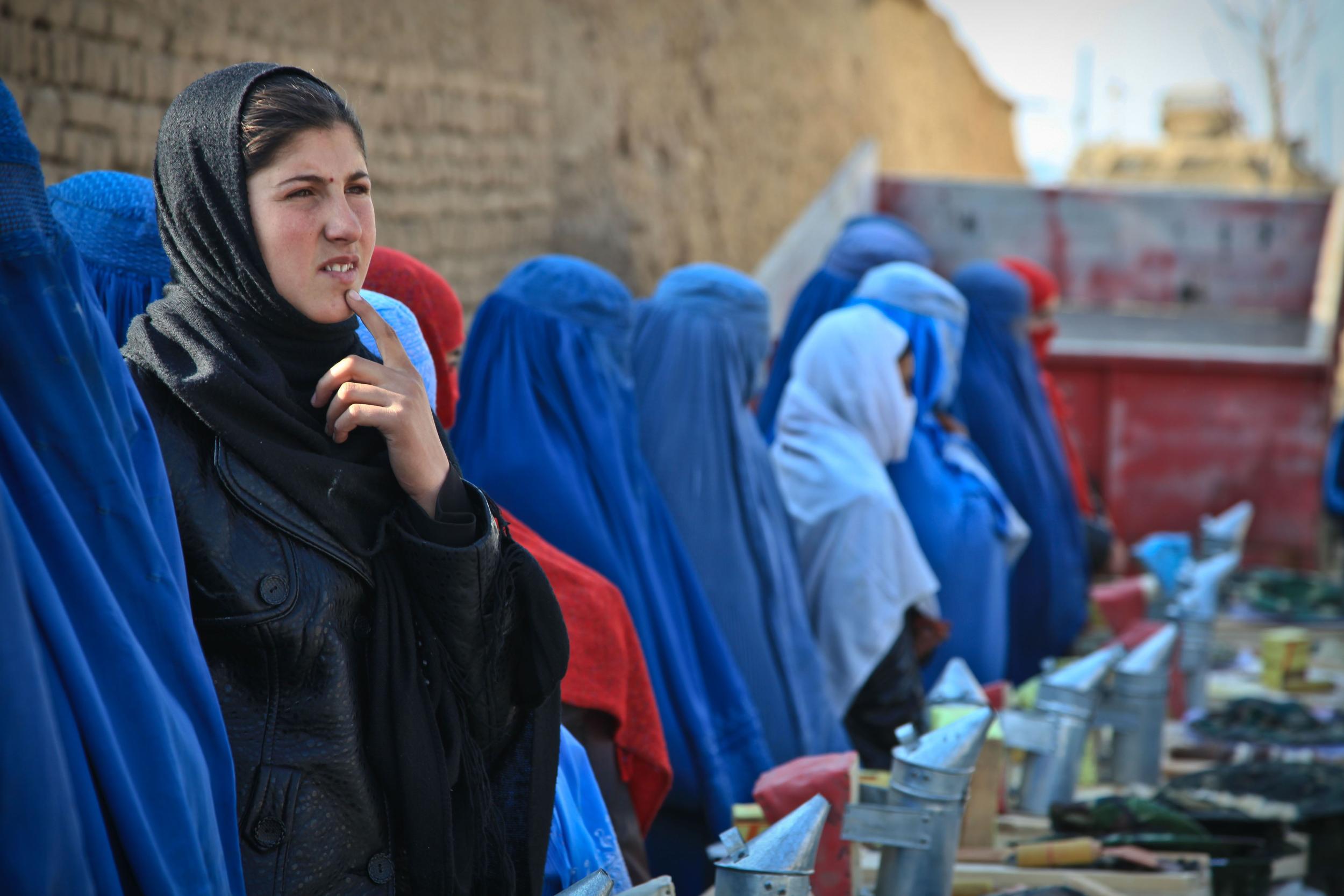
In the five years since the Taliban seized power in Kabul on August 15, 2021, Afghan women have become the most persistent source of resistance to the group’s efforts to transform Afghanistan. The exclusion of women and girls from public space is at the center of the Taliban’s extremist state-building project—a project that has also included dismantling institutions, subordinating the judiciary to religious authority, eliminating political opposition and civic activity, silencing independent media, and diverting male and young female students from schools with broad-based formal curricula to madrasahs that instill the Taliban’s ideology.
Many Afghan women are refusing to accept this radical transformation of Afghanistan’s social and political order. Some are protesting in the streets despite the extraordinary threats they face. Others are organizing underground schools to fill gaps in education and collaborating closely with Afghans in exile to prepare legal action against the Taliban’s abuses. Against the odds, Afghan women have built a tenacious resistance movement, inside and outside the country, that is working to alleviate conditions and provide opportunities, however limited, for women and girls.
Yet most foreign governments, including those who have publicly condemned the Taliban’s swift and sweeping repression of women since 2021, have done little to support Afghan women’s efforts. Indeed, many are expanding their diplomatic engagement with the Taliban, which may further embolden the group to tighten its repression and advance its extreme policies. The Taliban’s odious treatment of women should in itself be sufficient to compel foreign countries to reconsider their approach. But the strides the Afghan women’s movement has made offers them another reason to resist normalization and instead to invest directly in Afghan people. Afghan women are the most organized constituency resisting the Taliban’s hardline agenda—and they are preserving the human capital, institutions, and political networks with which a stable and pluralistic Afghanistan could one day be rebuilt.
Read the rest of this essay in Foreign Affairs.
© 2025 Alliance for Diplomacy and Justice.